Decorative Concrete Services in Slaughter Creek, Austin, TX

Request Free Quote

  • This field is for validation purposes and should be left unchanged.

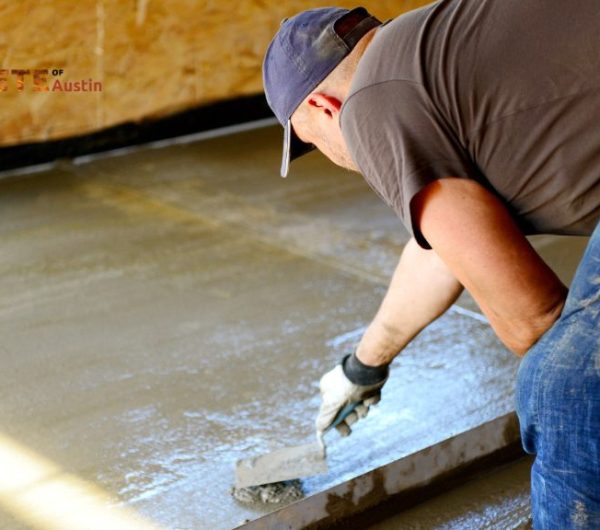
person leveling concrete

Decorative Concrete of Austin serves homeowners throughout the Slaughter Creek area, a South Austin corridor that spans the 78748 and 78739 zip codes along Slaughter Lane and the creek greenway that runs through the southern portion of Austin. The area includes established subdivisions from the 1980s and 1990s alongside newer development in the southward growth corridor. It is bounded roughly by William Cannon Drive to the north, Slaughter Lane to the south, MoPac to the west, and South 1st Street to the east. Slaughter Creek itself runs through the center of the corridor as part of the city’s greenbelt and trail system.

Slaughter Creek sits between Barton Hills and Circle C Ranch to the north and west, and Manchaca and Buda to the south. This position in the South Austin growth corridor makes it an important area for geographic coverage as we build rankings in the southern Austin market. Our decorative concrete services in Slaughter Creek include stamped and stained outdoor patios, epoxy and polyaspartic garage floor coatings, stained interior floors, and driveway resurfacing. We are locally owned, fully insured, and have been serving South Austin since 2012.

Outdoor stamped and stained concrete patios are the most common project type in the Slaughter Creek corridor. The 1980s and 1990s homes in this area have maturing backyards that homeowners are investing in as the neighborhood settles into its identity. Stamped concrete in natural stone patterns and stained concrete finishes are popular choices, with the Hill Country-adjacent aesthetic of South Austin driving preference for flagstone and cobblestone patterns in warm earth tones.

Epoxy and polyaspartic garage floor coatings are in strong demand across Slaughter Creek. The 2-car garages in the area’s 1980s and 1990s homes show the surface wear typical of three-plus decades of use, and full-coverage coating systems restore the floor and protect the slab for years to come. Polyaspartic topcoats are the standard for South Austin garages given the UV exposure and thermal cycling in this zone.

Stained concrete floors are popular in Slaughter Creek homes undergoing renovation. The 1980s and 1990s slabs in this area are in generally good condition and respond well to both acid and water-based stain systems. Our stained concrete cost guide covers what drives pricing for floor projects across Austin.

Driveway concrete resurfacing and decorative overlay applications address the surface wear on older Slaughter Creek driveways that are structurally sound but showing their age.

HOA Communities in Slaughter Creek

The Slaughter Creek corridor includes a mix of HOA-governed subdivisions and sections with minimal deed restrictions. The 1980s and 1990s developments in this area typically have active neighborhood associations or HOA communities with deed restrictions that govern exterior modifications including concrete patios and driveways.

For properties in HOA-governed Slaughter Creek subdivisions, exterior concrete work requires written approval before installation begins. Natural stone-pattern stamped concrete and neutral stained finishes are within typical approval parameters for this area. Confirm what applies to your specific subdivision before scheduling exterior work. We provide the documentation needed for HOA submissions as part of every project proposal.

Properties adjacent to the Slaughter Creek greenbelt have additional waterway setback considerations from the City of Austin Watershed Protection Department. Any exterior concrete work near the creek corridor should account for these setbacks, and we identify applicable requirements during the site visit for properties near the creek.
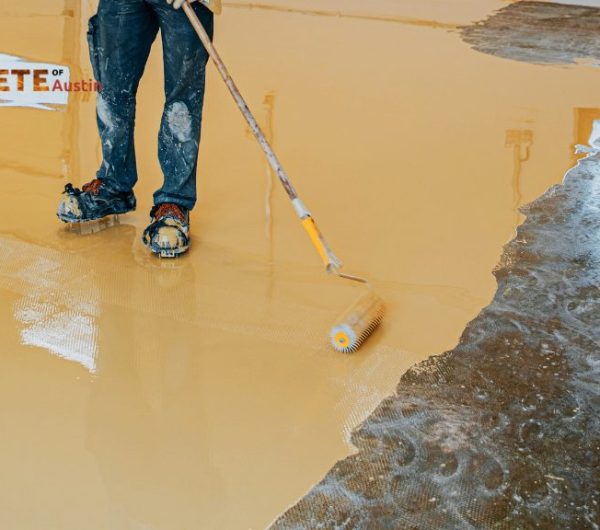
Cost-and-Installation-of-Epoxy-Floor-Coatings

City of Austin Permit Requirements in Slaughter Creek

The Slaughter Creek corridor is within City of Austin jurisdiction. Ground-level patios within setback limits typically do not require a building permit. Driveway approach connections to public streets require a City of Austin Transportation Department permit. Properties adjacent to the Slaughter Creek greenbelt may have Watershed Protection Department review requirements. Our Austin concrete permit guide covers the standard City of Austin permit rules in full.

Local Conditions in Slaughter Creek

The Slaughter Creek corridor sits on South Austin clay soil with some transition toward limestone profiles in the western portions near MoPac. The seasonal expansion and contraction of clay soil produces surface cracking in slabs throughout the area. Stable surface cracks are repaired during prep before any decorative finish is applied. We assess crack stability during every estimate.

The Slaughter Creek greenway and trail system create significant mature vegetation along the creek corridor. Properties adjacent to the greenway have established tree root systems that affect excavation planning for outdoor concrete work near the creek boundary. We assess root proximity as a standard part of the site visit for any exterior project near the greenbelt edge.

South Austin summer heat is fully present in the Slaughter Creek corridor. The area’s open lots and relatively new development mean less canopy shading than older, more established Austin neighborhoods. UV-stable exterior sealers and consistent resealing on the standard two to three year schedule are essential for outdoor concrete longevity here.

Areas We Serve Near Slaughter Creek

We serve all of Slaughter Creek and the surrounding South Austin corridor. Nearby areas include Circle C Ranch, Manchaca, Barton Hills, and Buda. See our Austin TX service area for complete coverage.

Contact us to schedule a free estimate. We serve the Slaughter Creek corridor regularly and are familiar with the HOA and permit requirements across the different sections of this area.

Frequently Asked Questions

HOA governance varies by subdivision in Slaughter Creek. Most 1980s and 1990s developments have deed restrictions or active HOAs that require approval for exterior modifications including concrete patios. Natural stone-pattern stamped concrete and neutral finishes are within typical approval parameters. Confirm what applies to your specific address and subdivision before scheduling exterior work.

Slaughter Creek is in City of Austin jurisdiction. Ground-level patios within setback limits typically do not need a building permit. Driveway approach permits are required for street connections. Properties adjacent to the Slaughter Creek greenbelt may need Watershed Protection Department review. We identify all applicable requirements during the site visit.

Yes. Properties adjacent to the greenbelt may have waterway setback requirements enforced by the City of Austin Watershed Protection Department. Any concrete or excavation work near the creek corridor needs to account for these setbacks. Greenbelt-adjacent properties also have established native vegetation root systems that affect excavation planning. We assess these factors during the site visit.

Stamped concrete in flagstone and cobblestone patterns and stained concrete in warm earth tones are popular in Slaughter Creek. The Hill Country-adjacent South Austin aesthetic drives preference for natural stone patterns and neutral color systems. UV-stable sealers are essential for outdoor surfaces in this part of Austin given the open, sun-exposed conditions on most lots.

Most 1980s and 1990s slabs in Slaughter Creek are in good condition and respond well to staining. They have less contamination history than older mid-century slabs in central Austin neighborhoods, though three-plus decades of use mean some prep is still required. We assess each slab during the estimate and confirm suitability before recommending a finish system.

Outdoor concrete in the Slaughter Creek corridor in direct sun typically needs resealing every two to three years. The open lot conditions and south-facing exposures common in this area mean UV exposure is significant. Staying on a regular resealing schedule is the most cost-effective way to protect the surface and maintain appearance.