Decorative Concrete Services in Travis Heights, Austin, TX

Request Free Quote

  • This field is for validation purposes and should be left unchanged.

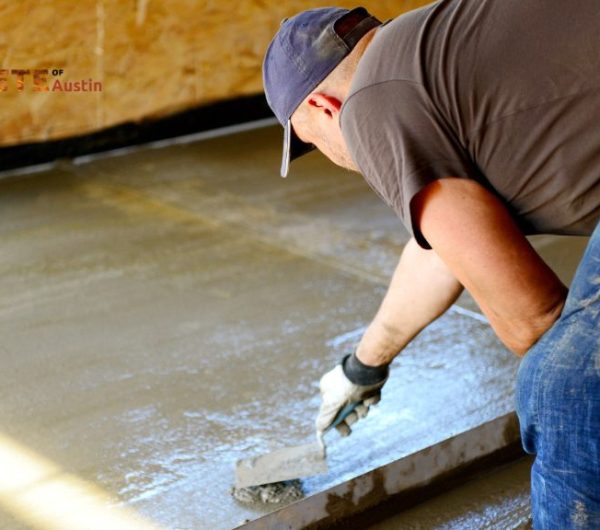
person leveling concrete

Decorative Concrete of Austin serves homeowners throughout Travis Heights, one of Austin’s most architecturally diverse and topographically distinctive neighborhoods. Travis Heights occupies the 78704 zip code east of Congress Avenue, bounded by Riverside Drive to the north, Oltorf Street to the south, Congress Avenue to the west, and South 1st Street to the east. The neighborhood sits on a series of ridges and ravines above Bouldin Creek, and its housing stock spans Craftsman bungalows from the 1920s and 1930s, mid-century homes, and significant contemporary infill construction on lots with dramatic views and challenging terrain.

Travis Heights sits at the junction of the East Austin and South Austin corridors, giving it strong connections in both directions. Its renovation activity and high property values make it one of our more active markets for premium decorative concrete work. Our decorative concrete services in Travis Heights include stained and polished interior floors, custom outdoor patios, pool deck resurfacing, and decorative driveway work. We have been serving Austin since 2012 and are fully insured.

Stained concrete floors are popular throughout Travis Heights across all home vintages. The older bungalows and Craftsman homes in the neighborhood have original slabs that respond beautifully to acid stain. The contemporary infill homes are often specified with polished or stained concrete from the start. Our stained concrete patio guide covers the outdoor application options specifically, which are popular in Travis Heights given the neighborhood’s outdoor living culture.

Polished concrete floors are frequently specified in Travis Heights contemporary renovations and new infill homes. The combination of polished concrete floors with high ceilings and South Congress-area design sensibility is a popular aesthetic in this neighborhood. We assess each slab for the specific conditions that affect polish level selection before recommending a system.

Outdoor decorative concrete patios and pool deck resurfacing are significant project types in Travis Heights where the dramatic terrain creates elevated outdoor spaces with meaningful views. Many homes in this neighborhood have tiered outdoor areas, and decorative concrete surfaces on multiple levels require careful grade and drainage planning.

Decorative driveway resurfacing addresses the significant wear that the neighborhood’s steep terrain creates on driveways over time. Sloped driveways in Travis Heights experience more concentrated water flow during rain events, which accelerates surface wear and staining.

Travis Heights Neighborhood and Deed Restrictions

Travis Heights has an active neighborhood association and a strong community identity. The neighborhood does not have a formal HOA with architectural review requirements, but deed restrictions govern exterior modifications in many sections of the neighborhood. Exterior concrete work visible from the street should be reviewed against applicable deed restrictions for the specific property.

Several sections of Travis Heights fall within historic overlay zones, particularly in the older portions of the neighborhood near the northern boundary along Riverside Drive and in the original Craftsman blocks. Properties in historic overlay zones require City of Austin Historic Preservation Office review for exterior modifications. Confirm your property’s status before planning visible exterior work.
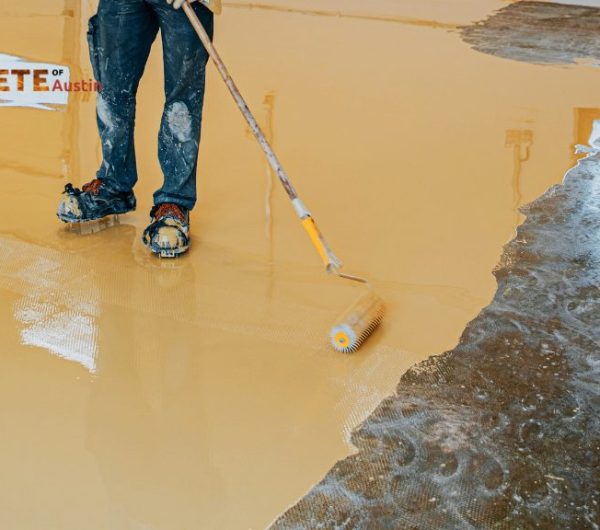
Cost-and-Installation-of-Epoxy-Floor-Coatings

City of Austin Permit Requirements in Travis Heights

Travis Heights is within City of Austin jurisdiction. Ground-level patios detached from the home and within setback limits typically do not require a building permit. Driveway approach permits are required for street connections. The significant grade changes in Travis Heights mean that impervious cover and drainage management are active considerations for patio and driveway work on sloped lots. Our Austin concrete permit guide covers the standard permit rules.

Local Conditions in Travis Heights

Travis Heights sits on one of Austin’s more topographically varied sections of the Balcones Escarpment, with limestone outcroppings, significant grade changes, and Bouldin Creek running through the western portion of the neighborhood. The terrain affects almost every exterior concrete project in this neighborhood: slope, drainage, access for concrete delivery, and retaining considerations for level patio surfaces on hillside lots.

The limestone substrate in the hillier portions of Travis Heights differs from the clay-dominant soil in flatter parts of Austin. Properties on the ridgeline may have shallower soil depth over limestone, which affects excavation planning differently than the deep clay profiles in North Austin. We assess the specific conditions at each site during the estimate.

Bouldin Creek and the creek’s drainage corridor create significant mature tree root systems in the portions of the neighborhood adjacent to the creek. Root proximity assessment is a standard part of any exterior excavation project near these areas.

Areas We Serve Near Travis Heights

We serve all of Travis Heights and the surrounding neighborhoods. Nearby areas include Cherrywood, Barton Hills, and Circle C Ranch to the south. See our Austin TX service area for complete coverage.

Contact us to schedule a free estimate. We are experienced with the terrain challenges and older slab conditions specific to Travis Heights and can advise on the right approach for your specific lot and project type.

Frequently Asked Questions

Travis Heights does not have a formal HOA. Deed restrictions govern exterior modifications in many sections. Some Travis Heights properties fall within historic overlay zones that require City of Austin Historic Preservation Office review for exterior modifications. Confirm your specific property’s deed restriction status and any historic overlay designation before planning visible exterior concrete work.

Travis Heights is in City of Austin jurisdiction. Ground-level patios within setback limits typically do not need a building permit. Driveway approach permits are required for street connections. The significant grade changes in this neighborhood make drainage and impervious cover active planning considerations for exterior projects on sloped lots. We discuss all of this during the estimate.

The significant grade changes in Travis Heights affect every exterior concrete project. Sloped lots require drainage planning, level surface establishment, and sometimes retaining structures for patio areas. Steep driveways experience concentrated water flow that accelerates surface wear. Site access for concrete delivery trucks on narrow, hilly streets requires advance planning. We assess all of these factors during the site visit.

Stained concrete floors are popular across all home vintages in Travis Heights. Polished concrete is frequently specified in contemporary renovations and new infill homes. For outdoor surfaces, stained concrete and overlay systems on existing patios are common choices. Pool deck resurfacing is a consistent request in this neighborhood given the outdoor living investment common among Travis Heights homeowners.

The limestone substrate in the hillier portions of Travis Heights differs from the deep clay profiles in flatter Austin neighborhoods. Shallower soil over limestone affects excavation depth and planning for exterior concrete work. Properties on the ridgeline may have different base preparation requirements than properties in lower, clay-dominant areas. We assess subsurface conditions as part of the site visit for exterior projects.

Yes, with appropriate specification. Sloped driveways in Travis Heights need sealer systems that provide adequate traction and handle the water flow patterns the slope creates during rain events. An anti-slip additive in the sealer is standard for sloped driveway applications. The surface finish also affects drainage — we discuss these considerations during the estimate for any sloped driveway project.